Benefits of Home Charging for EV Owners
Home charging is one of the most compelling advantages of driving an electric vehicle (EV). For many EV owners, plugging in overnight becomes as routine and convenient as charging a phone. Beyond convenience, home EV charging delivers financial, environmental, and lifestyle benefits that make electric vehicle ownership more practical and enjoyable. This article explains the key advantages of home charging and offers practical tips for selecting and installing the right charger for your needs.
Why Home Charging Matters
Charging at home transforms how drivers plan their day. Instead of stopping at public stations, most EV owners wake up to a full battery—meaning fewer range worries and greater spontaneity. Home charging also integrates with smart home energy systems and time-of-use utility rates, allowing owners to save money and reduce their carbon footprint.
Top Benefits of Home Charging for EV Owners
- Convenience: Charge while you sleep or during the day at home. No detours to public chargers or waiting in line—your car is ready when you are.
- Cost Savings: Electricity typically costs less per mile than gasoline. Home charging during off-peak hours can lower costs further, especially with time-of-use pricing.
- Faster Charging with Level 2 Chargers: Installing a Level 2 home charger significantly reduces charging time compared to a standard household outlet (Level 1). Faster charging means more usable range with less downtime.
- Control and Predictability: Home charging provides predictable access to energy, allowing you to monitor usage, set schedules, and receive alerts via smart charging apps.
- Reduced Range Anxiety: Regularly charging at home ensures a full battery each morning, minimizing concerns about running out of range during daily driving.
- Environmental Impact: Charging at home, especially when combined with solar panels or clean energy plans, can significantly lower your greenhouse gas emissions compared to gasoline-powered vehicles.
- Increased Home Value: As EV adoption grows, homes already equipped with EV chargers can become more attractive to buyers and renters who value built-in charging infrastructure.
- Access to Incentives: Many utilities, municipalities, and governments offer rebates, tax credits, or reduced installation costs for residential EV charging equipment.
Types of Home Chargers
Understanding charger types helps you choose the best option:
- Level 1 (120V): Uses a standard household outlet. Ideal for very low daily mileage or as a backup; charging is slow (adds a few miles per hour).
- Level 2 (240V): Requires a dedicated circuit and professional installation. Provides much faster charging (20–60 miles of range per hour depending on the vehicle and charger).
- Smart Chargers: Level 2 chargers often include smart features—Wi-Fi or Bluetooth connectivity, scheduling, energy monitoring, and integration with home energy systems.
Installation, Safety, and Incentives
Proper installation is essential for safety and performance. Key considerations:
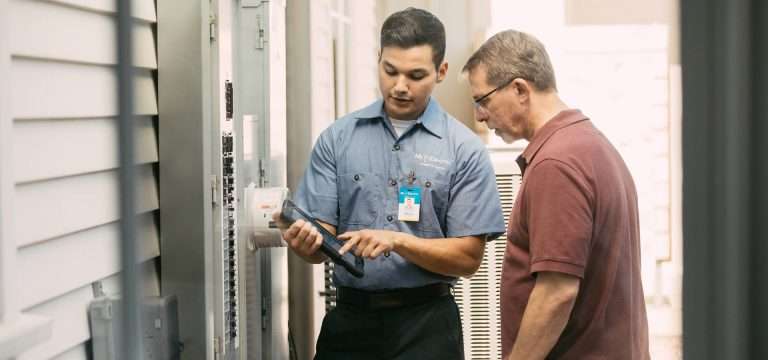
- Hire a licensed electrician to evaluate your home’s electrical panel and install a dedicated 240V circuit if you choose a Level 2 charger.
- Check for local building permits or homeowner association requirements before installation.
- Explore federal, state, and local incentives, as well as utility rebates or special EV rates—these can significantly lower the cost of equipment and installation.
- Consider surge protection and grounding to protect your charger and vehicle from electrical issues.
Tips to Maximize Home Charging Benefits
- Charge Overnight: Take advantage of lower off-peak electricity rates and ensure your vehicle starts each day with a full battery.
- Use Smart Scheduling: Program charging sessions for off-peak hours or when your solar panels are producing the most energy.
- Monitor Energy Use: Use the charger’s app or an energy monitor to track consumption and optimize cost savings.
- Plan for Future Needs: If you expect to buy a larger EV or add another EV, consider a higher-capacity circuit or multiple chargers during your initial installation to avoid costly upgrades later.
- Stay Informed: Review available incentives and rate plans periodically—many programs change and new rebates may become available.
Conclusion
Home charging is a major reason many drivers choose electric vehicles. It delivers convenience, lower fueling costs, reduced emissions, and greater control over your vehicle’s energy needs. By installing the right charger, taking advantage of incentives, and using smart charging strategies, EV owners can enjoy predictable, cost-effective, and environmentally friendly transportation. If you’re considering an EV or upgrading your charging setup, consult a qualified electrician and explore local incentives to make the most of home charging.
Ready to get started? Speak with a licensed electrician about Level 2 installation options and check your utility’s website for EV charging rebates and special tariffs.